After Dal Lake and Manasbal Lake, Khurwan Sar was famous for its stem roots (Nadroo) and abundant fish resources
Khurwan sir is one of the lesser known but historically important freshwater lakes of Kashmir located in Inderkote (which is mentioned in Rajtarangni by Kalhan Pandith is referred to by the name Indra Kotta) near Sumbal town in Bandipora district of Jammu and Kashmir.

Once upon a time, after Dal Lake and Manasbal Lake, Khurwan Sar was famous for its stem roots (Nadroo) and abundant fish resources. It was one of the most productive and beautiful freshwater lakes of North Kashmir. The lake was not only a source of natural beauty but also a vital means of livelihood for hundreds of families living around it. However, over the years, the drainage system of Sumbal town and the illegal grabbing of land around the lake by locals have almost destroyed this precious water body.
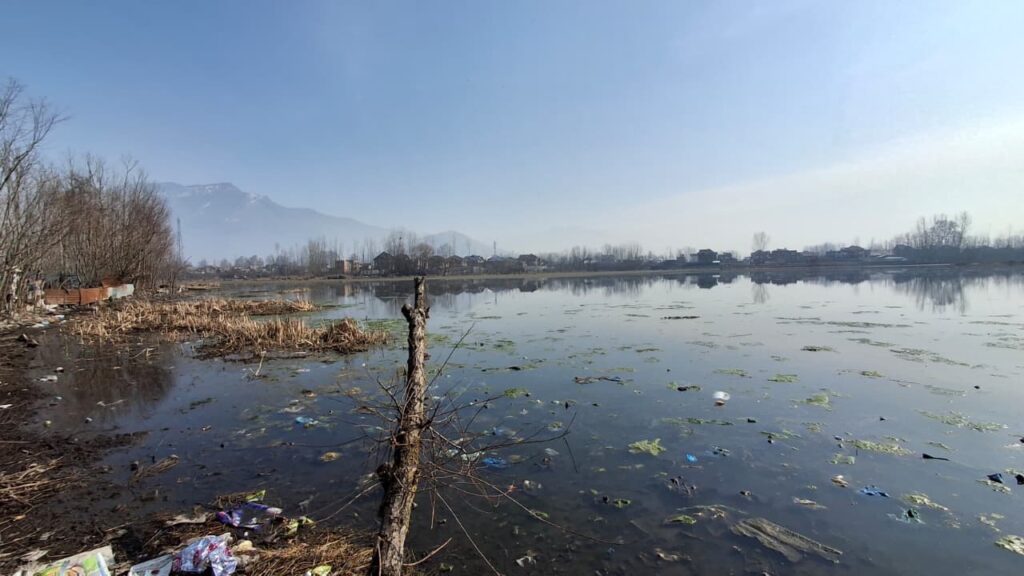
Today, Khurwan Sar stands as a painful example of environmental negligence, unplanned urbanization, and human greed. What was once a clean, vibrant lake full of life is now struggling to survive under layers of pollution, encroachment, and official neglect. Khurwan Sar is It was once part of a network of small lakes and wetlands that played an important role in maintaining the ecological balance of the region.
The lake was naturally fed by underground springs, rainwater, and seasonal streams. In the past, Khurwan Sar covered a large area and held a significant amount of fresh water. Its surroundings were green and fertile, making it an ideal habitat for aquatic plants, fish, birds, and other forms of life. The lake also helped in maintaining the groundwater level, which benefited agriculture in nearby villages. One of the most famous products of Khurwan Sar was Nadroo (lotus stem). Nadroo is an important vegetable in Kashmiri cuisine and is used in many traditional dishes such as Nadroo Yakhni, Nadroo Palak, and Nadroo Churma. For decades, Khurwan Sar was known as one of the best producers of Nadroo after Dal Lake and Manasbal Lake.
Local families earned their livelihood by harvesting and selling lotus stems in nearby markets. Women and elderly people were especially involved in this work, making it an important source of income for poor households. Apart from Nadroo, the lake was also rich in fish resources. Fishing was a common occupation among local people. Fresh fish from Khurwan Sar were sold in Sumbal, Bandipora, and even in Srinagar markets.
The lake provided:
Food security
Employment opportunities
Income for fishermen
Support for local economy
Khurwan Sar was not only a natural water body but also a source of livelihood for many local families. Fishermen, farmers, and vendors depended on the lake for fishing, lotus stems, water chestnuts, and other aquatic resources. The lake also played a significant role in maintaining the local ecosystem and groundwater balance. For generations, Khurwan Sar was known for its clean water, scenic beauty, and biodiversity.
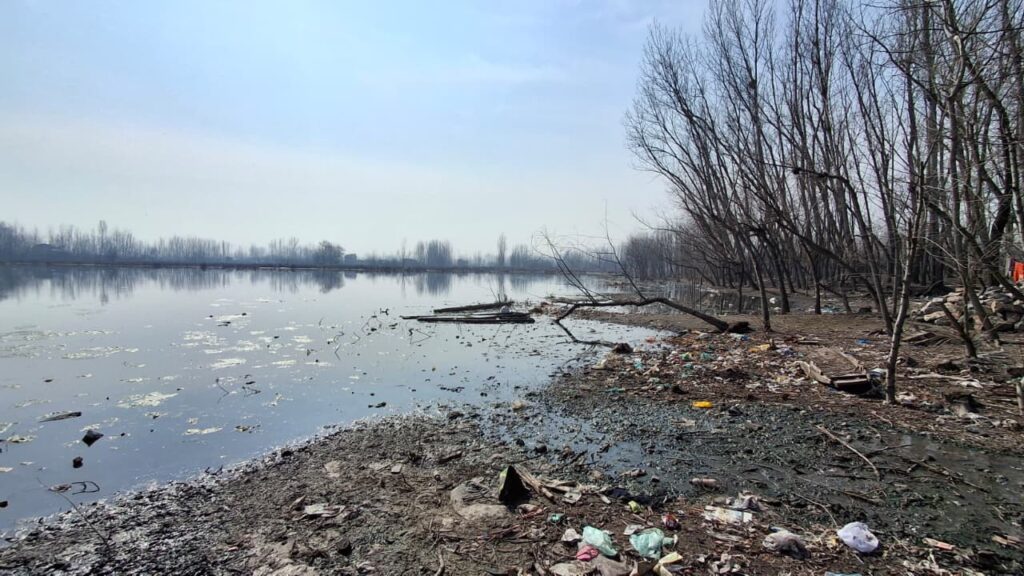
People from nearby villages would visit the lake for fishing, recreation, and harvesting Nadroo. It was considered a symbol of natural wealth and ecological balance. Unfortunately, the condition of Khurwan Sar has drastically deteriorated over the years. The biggest reason behind the destruction of Khurwan Sar is the improper drainage system of Sumbal town.
Over the years, untreated sewage, household waste, and dirty water from markets and residential areas are directly discharged into the lake. Instead of building a proper sewage treatment plant, authorities allowed drainage channels to empty into Khurwan Sar. This introduced: Human waste, Plastic and garbage, Chemical and detergents and food waste. As a result, the clean water of the lake turned dirty and polluted. This has resulted in:
Severe water pollution
Growth of harmful weeds and algae
Loss of fish and aquatic plants
Foul smell and stagnant water
Health risks for nearby residents
Another major cause of destruction is illegal land grabbing around the lake. As land prices increased and population grew, people started encroaching upon the lake area. Parts of the lake were filled with soil, stones and construction waste to create land for houses, shops and roads. Gradually the lake area shrunk, natural water flow blocked, the depth of the lake decreased and wetland boundaries disappeared.
This human greed turned public naturel property into private land. Due to continuous inflow of sewage and waste, Khurwan Sar became heavily polluted. The water turned blackish and foul-smelling. Algae and unwanted weeds covered the surface, reducing oxygen level in water. This led to death of fish, disappearance of aquatic plants, spread of harmful bacteria and loss of water quality. The most tragic result of pollution was the disappearance of Nadroo. Lotus plants require clean and oxygen rich water grow. The polluted water of Khurwan Sar could no longer support lotus cultivation.
Today, Nadroo is almost completely absent from the lake. This is not just an environmental loss but also a cultural and economic tragedy. The polluted lake has become a health risk for nearby residents. Stagnant dirty water is a breeding ground for mosquitoes and diseases-causing organisms. People living near the lake suffer from skin diseases, stomach infections, respiratory problems and bad smell and unhygienic conditions. Thus, environmental degradation has turned into a public health crisis. The destruction of Khurwan Sar has deeply affected the local community. Elderly people often recall how they used to swim, fish, and harvest lotus stems in their childhood.
Today, the same place is full of garbage and dirty water. Many families lost their traditional occupations, connection with nature, cultural identity. This has created a sense of loss, frustration, and helplessness among the people. Despite repeated complaints by locals and environmental activists, government response has been weak. There is lack of proper planning, effective policies, strict implementation of laws and environmental awareness. While reports and surveys have been conducted, practical action on the ground remains minimal. Laws related to wetland protection exist, but they are not properly enforced. Encroachers are rarely punished, and pollution continues unchecked.
Khurwan Sar, unfortunately, never received such importance. The revival of Khurwan Sar is still possible if urgent steps are taken.
1. Proper Drainage System: A modern sewage treatment plant must be built for Sumbal town. No untreated waste should enter the lake.
2. Removal of Encroachments: Illegal constructions around the lake must be removed. The original boundaries of the lake should be restored.
3. Cleaning and Desilting: The lake needs removal of garbage, desilting of polluted mud, clearing of invasive weeds
4. Plantation and Ecological Restoration: Native aquatic plants and fish species should be reintroduced. This will help restore biodiversity.
5. Community Participation: Local people must be involved in Cleanliness drives and awareness programs. When people feel ownership, they protect nature better.
6. Strict Laws and Monitoring: Environmental laws should be strictly enforced. Regular monitoring of water quality is essential.
The lake may be dying, but it is not dead yet. The time to act is now—before Khurwan Sar becomes only a story in history books instead of a living lake in reality. Local people, NGOs, and authorities must work together to restore this valuable natural resource.
Dr Urfan Ahmad
Inderkote Sumbal Sonawari
Working as Assistant Prof Deptt. Of Higher Education
Jammu and Kashmir
Presently working in GDC Paloura Jammu