As the crescent moon of Shawwal graces the night sky, Muslims around the world eagerly anticipate the announcement of Eid-ul-Fitr, marking the end of Ramadhan, the holiest month in the Islamic calendar. Ramadan, a period of fasting, prayer, reflection, and community, culminates in a joyous celebration that brings families, friends, and communities together, from the pre-dawn meal (suhoor) to the breaking of the fast (iftaar) at sunset, Ramadhan is a time of spiritual growth, self-discipline, and compassion.

The heart of Eid-ul-Fitr lies the spirit of giving, embodied in the Zakat al-Fitr, congregational prayers, and acts of kindness towards those in need.
The Significance of Ramadhan:
Ramadhan holds a special place in the hearts of Muslims worldwide, it commemorates the revelation of the Holy Quran to Prophet Mohammad (PBHH) and is observed by fasting from dawn to sunset.
Zakat al-Fitr: A Symbol of Generosity:
The amount is typically calculated based on the cost of staple food items and is equivalent to a certain weight of grain or its monetary value and the contribution is then distributed to the needy, the poor, and those facing financial hardship, allowing them to celebrate Eid with dignity and joy. Through Zakat al-Fitr, the bonds of community and solidarity are strengthened, embodying the Islamic values of compassion and generosity.
Eid-ul-Fitr: A Day of Celebration and Gratitude:
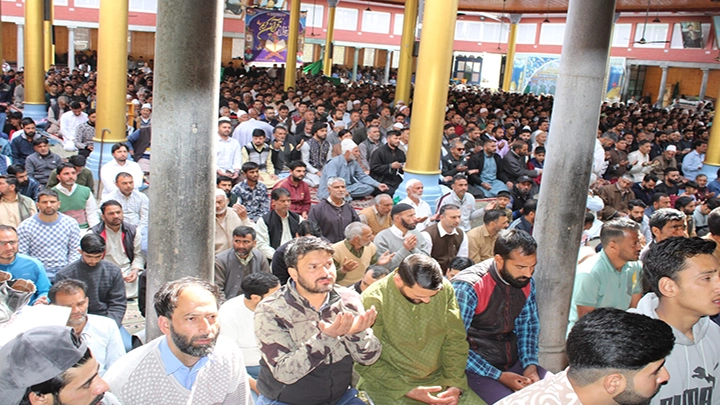
Eid-ul-Fitr begins with the congregational Eid prayers (Eid Namaz), performed in mosques, open spaces, and community centers worldwide. Old age persons, Youngesters including childrens come together to offer prayers of thanksgiving, supplication, and remembrance.
The sermon delivered during the Eid prayers often emphasizes the importance of gratitude, forgiveness, and unity within the Muslim community after the prayers, families gather to exchange greetings, share meals, and exchange gifts, fostering a sense of joy, harmony, and camaraderie.
Traditional foods, such as sweets and savory dishes, are prepared and enjoyed, symbolizing the abundance and blessings of Allah.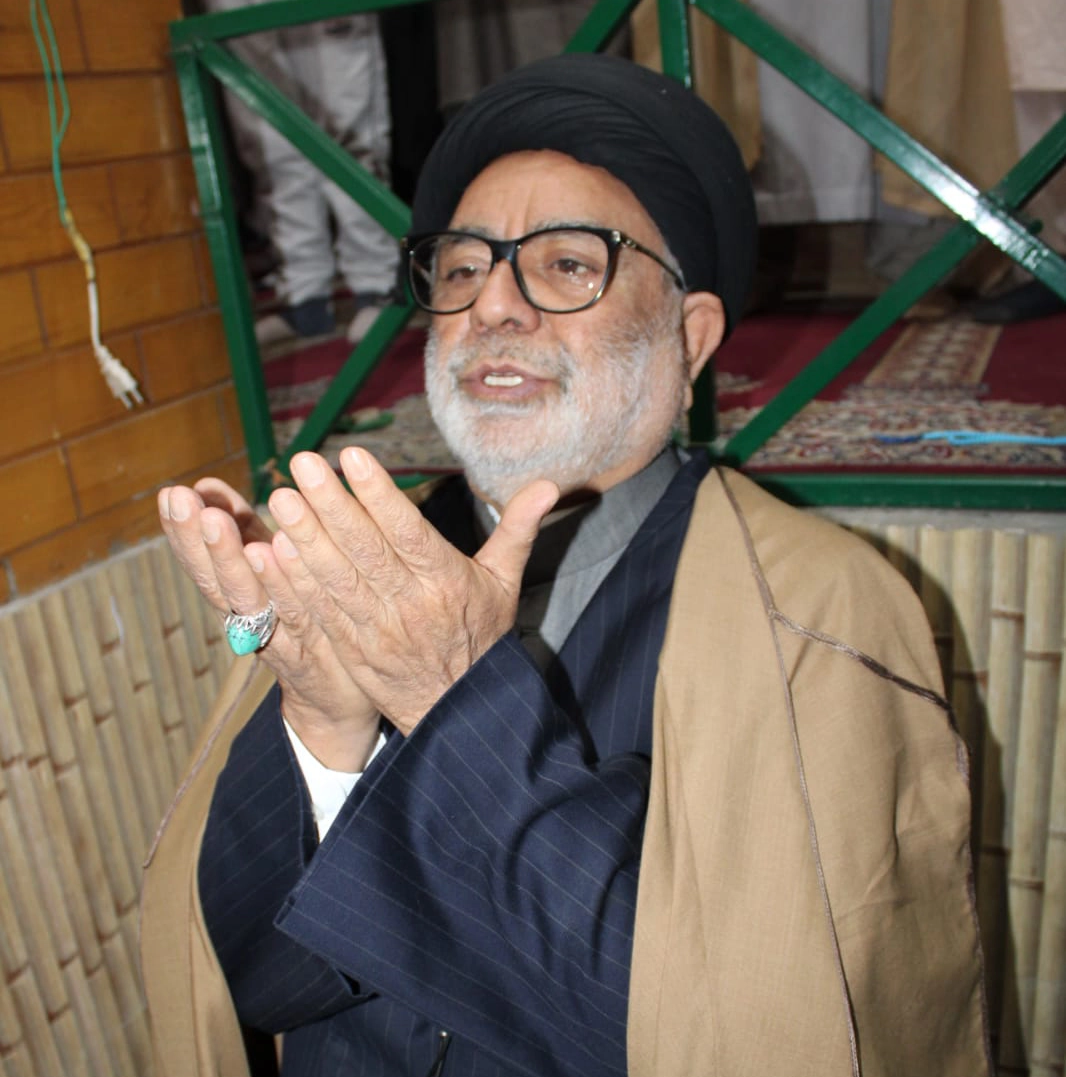
Global Unity in Diversity:
Eid-ul-Fitr is celebrated with great diversity and cultural richness across the globe. From the bustling streets of Cairo to the serene mosques of Istanbul, the spirit of Eid transcends geographical boundaries and cultural differences, each region infuses its unique customs, traditions, and flavors into the festivities, creating a tapestry of diversity within the Muslim ummah.
Whether it’s the vibrant Eid bazaars of South Asia, the colorful processions of Southeast Asia, or the solemn prayers of the Middle East, Eid-ul-Fitr reflects the rich tapestry of Islamic heritage and identity.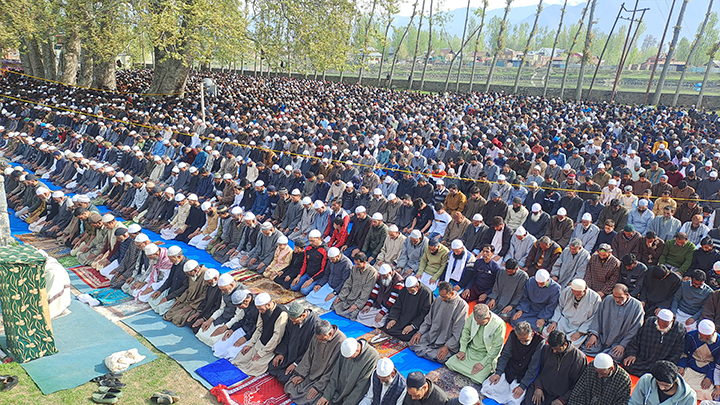
Eid-ul-Fitr offers an opportunity for resilience, solidarity, and collective action. Through acts of charity, support for marginalized communities, and efforts to promote peace and justice, Muslims can uphold the true spirit of Eid-ul-Fitr and make a positive difference in the world.