A recent loss involving a E-3 Sentry has triggered serious concern among defense analysts, highlighting a critical vulnerability in the United States’ air combat infrastructure amid escalating tensions with Iran.

The E-3 Sentry, operated by the United States Air Force, serves as a flying command and control center. Equipped with powerful radar and communications systems, the aircraft can monitor airspace across a 250-mile radius, tracking drones, cruise missiles, and hostile aircraft while coordinating real-time responses. In modern warfare, it acts as the central nervous system of aerial operations.
A Limited and Aging Fleet
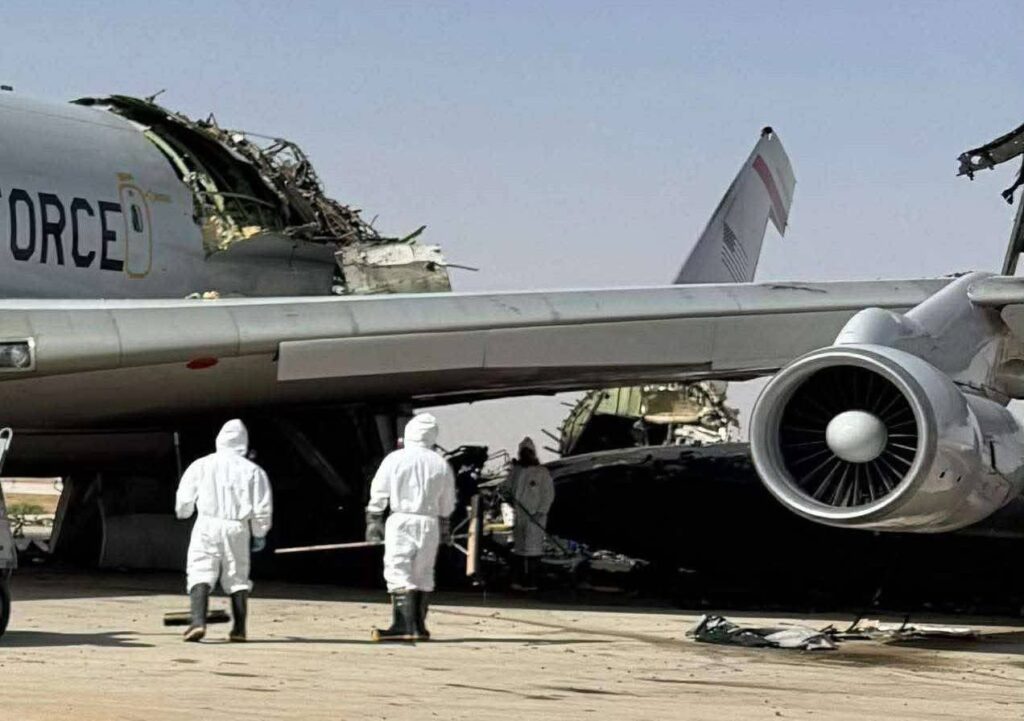
The U.S. currently operates just 16 E-3 aircraft, with nearly 40% already deployed in active operational theaters. The platform itself is decades old—production by Boeing ended in 1992, and no replacement aircraft are currently in service.
The planned successor, the E-7 Wedgetail, remains years away from operational deployment. Even under optimistic timelines, prototypes are not expected until around 2028, with full operational capability arriving later. This leaves a significant gap in airborne command-and-control capacity.
Compounding Operational Pressures
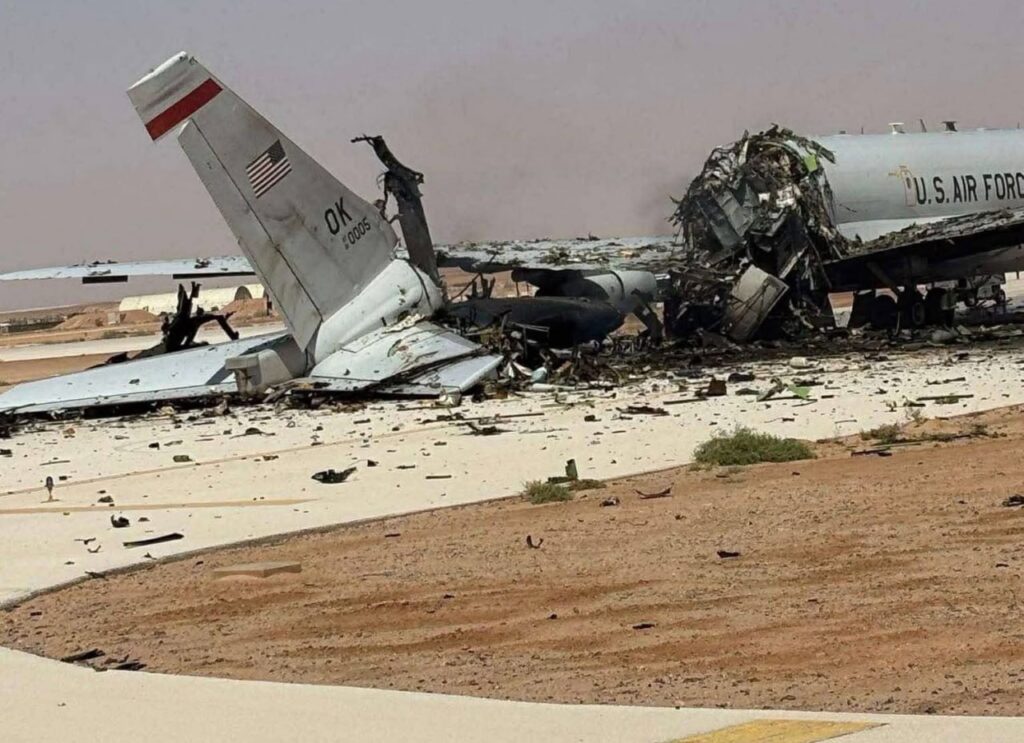
The loss comes at a time when regional air defense infrastructure is already under strain. Iranian strikes have reportedly degraded several ground-based radar systems, forcing E-3 aircraft to take on expanded roles. This dual burden—filling surveillance gaps while managing air operations—has stretched the fleet thin.
Each damaged or destroyed AWACS aircraft represents not just a loss of hardware, but a reduction in the ability to coordinate complex air missions. Unlike fighter jets or drones, these systems cannot be rapidly replaced or scaled.
Strategic Implications
Defense analyst Kelly Grieco described the situation as one of the most consequential setbacks in the current conflict. According to Grieco, the attack was not merely tactical but struck at the core of U.S. airpower effectiveness.
“The U.S. is effectively burning through a limited, irreplaceable capability before its successor is ready,” she noted. “This isn’t just about losing an aircraft—it’s about degrading the entire air battle management layer.”
A Critical Capability at Risk
As modern warfare becomes increasingly reliant on integrated systems and real-time coordination, the importance of platforms like the E-3 cannot be overstated. With no immediate replacement and rising operational demands, the United States faces a narrowing margin for maintaining air superiority.
The incident underscores a broader strategic challenge: sustaining legacy systems long enough to bridge the gap to next-generation capabilities—without suffering irreversible losses along the way.