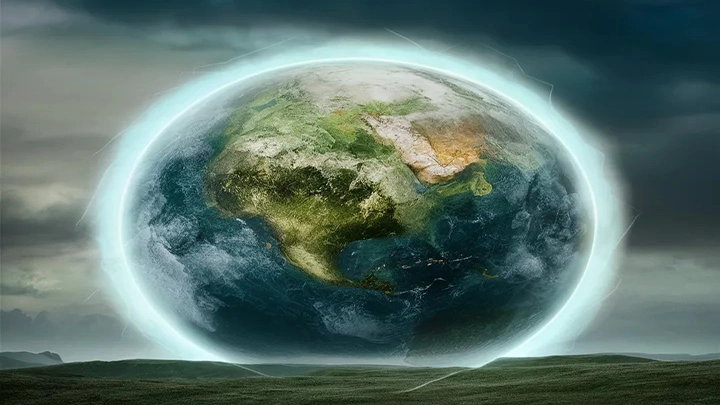

Global warming, a phenomenon that has garnered increasing attention in recent years, poses a significant threat to our planet and all life forms inhabiting it. The Earth’s climate is changing at an unprecedented rate, primarily due to human activities that release greenhouse gases into the atmosphere.

This article delves into the causes and consequences of global warming, as well as the urgent need for collective action to mitigate its effects. At the heart of global warming lies the emission of greenhouse gases, such as carbon dioxide and methane, into the atmosphere. These gases trap heat from the sun, leading to a gradual increase in the Earth’s average temperature—a phenomenon known as the greenhouse effect. While some level of greenhouse gases is necessary to maintain a habitable climate, human activities, such as burning fossil fuels, deforestation, and industrial processes, have significantly intensified this effect.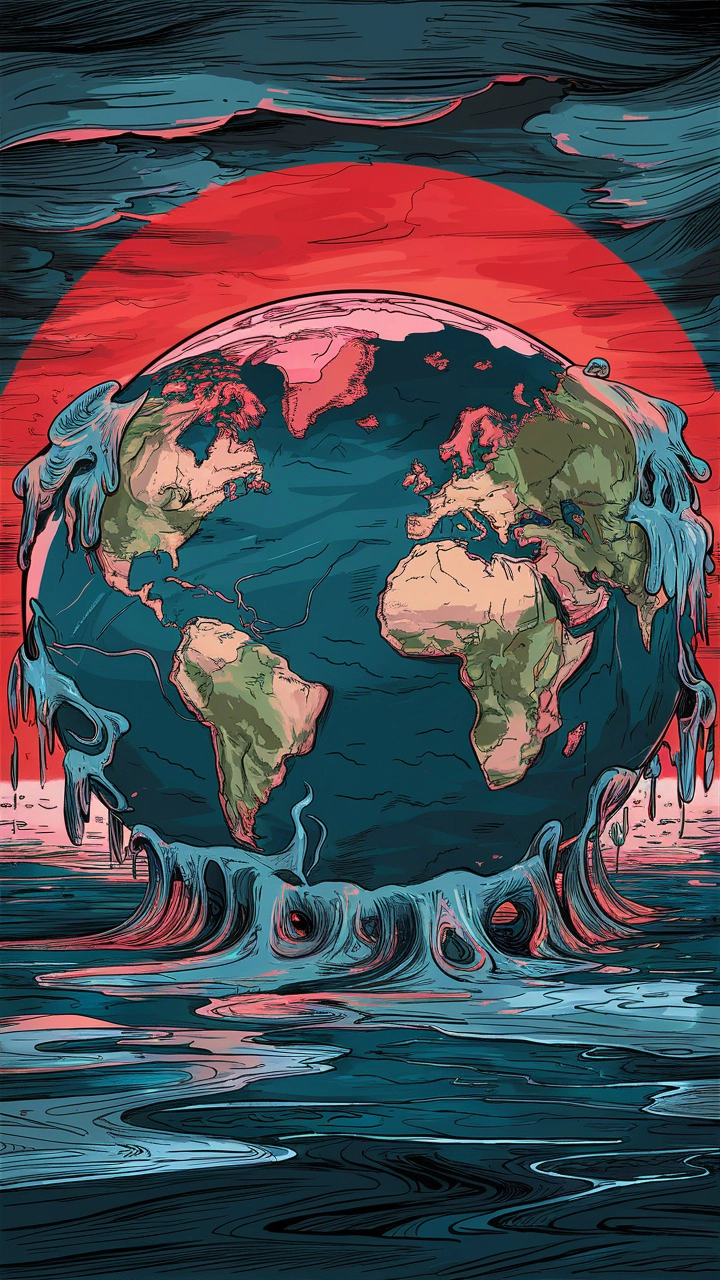
The results of worldwide warming are far-achieving and profound. One of the most visible impacts is the rise in global temperatures, resulting in more frequent and severe heatwaves. Glaciers and polar ice caps are melting at alarming rates, leading to rising sea levels that threaten coastal communities and ecosystems.
Extreme weather events, including hurricanes, droughts, and wildfires, are becoming more frequent and intense, causing widespread devastation and loss of life. Moreover, global warming is disrupting ecosystems and biodiversity, as many species struggle to adapt to rapidly changing climatic conditions. Coral reefs, vital marine ecosystems teeming with life, are particularly vulnerable to the warming and acidification of oceans.
The loss of biodiversity not only threatens the survival of countless species but also undermines the resilience of ecosystems essential for human well-being. In addition to environmental impacts, global warming has profound social and economic consequences. Displacement of communities due to sea-level rise, food insecurity resulting from changing agricultural patterns, and increased health risks from heat-related illnesses are just a few examples of the challenges posed by a warming world. Developing countries, in particular, are disproportionately affected by global warming, despite contributing minimally to greenhouse gas emissions.
Addressing global warming requires urgent and concerted action on multiple fronts. Transitioning to renewable energy sources, such as solar, wind, and hydropower, is essential to reduce our reliance on fossil fuels and curb greenhouse gas emissions. Improving energy efficiency in industries, transportation, and buildings can also significantly contribute to mitigating climate change.
Furthermore, protecting and restoring forests, which act as carbon sinks by absorbing carbon dioxide from the atmosphere, is crucial in combating global warming. Sustainable land management practices, such as reforestation and agroforestry, can help sequester carbon and enhance the resilience of ecosystems to climate change. Individual actions, such as reducing energy consumption, minimizing waste, and advocating for sustainable practices, also play a vital role in the fight against global warming.
By making conscious choices in our daily lives and supporting policies that prioritize environmental sustainability, we can collectively work towards a more sustainable future for our planet. In conclusion, global warming poses a grave threat to the Earth’s ecosystems, biodiversity, and human societies.
Urgent action is needed to mitigate its effects and build a more resilient and sustainable world for future generations. By embracing renewable energy, protecting natural ecosystems, and fostering a culture of environmental stewardship, we can strive towards a healthier planet for all.