In the picturesque region of Kashmir, renowned for its breathtaking landscapes and pristine snowfall, a new and unexpected challenge has emerged – an alarming absence of winter precipitation.

The typically snow-laden winters have given way to dry spells, impacting not only the region’s tourism sector but also casting a ripple effect on public health, water resources, and crucial hydropower projects.
Tourism Downturn:
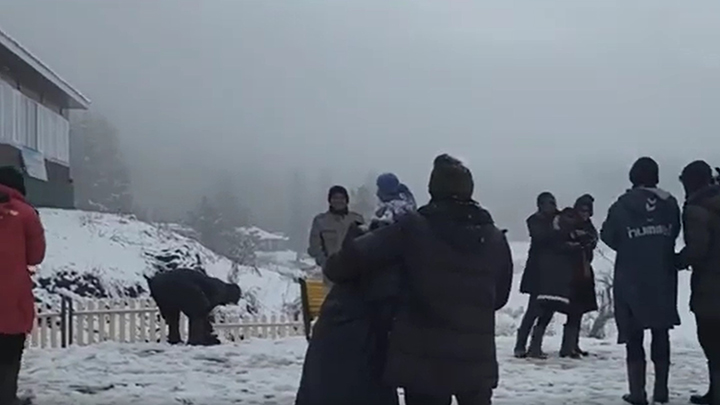
Kashmir’s vibrant tourism industry, which heavily relies on the allure of snow-covered landscapes, finds itself grappling with an unprecedented downturn.
The absence of snowfall has diminished the appeal for winter sports enthusiasts, leaving ski resorts and associated businesses struggling. Hotels and local businesses, accustomed to a surge in visitors during the winter months, are now contending with reduced footfall, exacerbating economic hardships.
Public Health Concerns:

Beyond the economic repercussions, the dry winters have given rise to health concerns. Traditionally, the snowfall blankets the region, acting as a natural insulator for the soil and vegetation. The absence of this protective layer has led to a drop in temperatures, adversely affecting agriculture.
Moreover, the dry conditions contribute to an increase in air pollution levels, posing respiratory challenges for the local population.
Water Scarcity:

Kashmir’s dependence on snowfall for its water supply is deeply ingrained.
The melting snow during the spring feeds into rivers and tributaries, sustaining the region’s water needs. With the lack of snowfall, water scarcity has become a pressing issue.
Communities that rely on these water sources for domestic use and agriculture are facing hardships, leading to a potential crisis if alternative measures are not implemented promptly.
Hydropower Struggles:
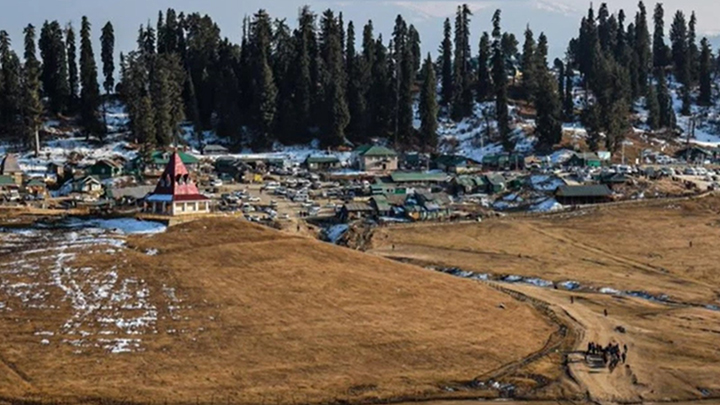
The hydroelectric power projects that dot the landscape of Kashmir are integral to its energy infrastructure.
These projects harness the melting snow to generate electricity, providing a sustainable and eco-friendly energy source.
However, the reduced snowfall jeopardizes the efficiency of these hydropower projects, impacting the region’s energy supply. This, in turn, has far-reaching consequences for both residential and industrial consumers.
Climate Change as a Culprit:
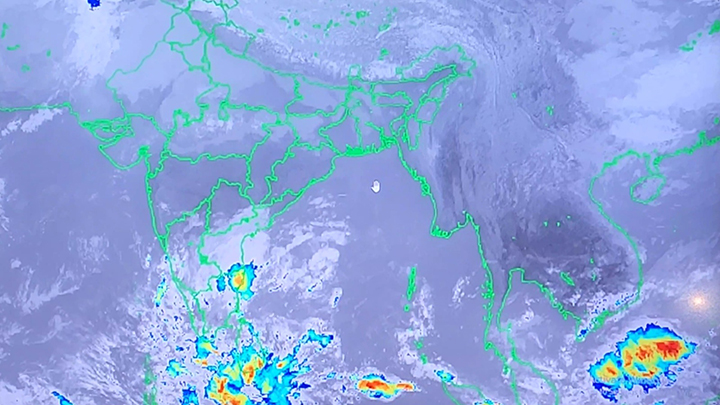
While the immediate impacts of the dry winters are undeniable, it is crucial to acknowledge the broader context of climate change. The irregular weather patterns observed in Kashmir are consistent with global climate trends, reflecting the need for a comprehensive approach to environmental stewardship. Addressing the root causes of climate change is imperative to safeguarding the region’s ecosystems and the well-being of its residents.
Adaptation and Mitigation Strategies:

In the face of these challenges, it becomes imperative for Kashmir to explore adaptive measures to mitigate the impact of dry winters.
This includes diversifying the tourism sector to attract visitors throughout the year, investing in water conservation techniques, and exploring alternative energy sources to supplement hydropower.
Additionally, raising awareness about climate change and fostering sustainable practices can empower communities to actively participate in safeguarding their environment.
The unprecedented dry winters in Kashmir are not merely a weather anomaly; they represent a microcosm of the larger climate crisis facing our planet.
The multifaceted impact on tourism, public health, water resources, and energy infrastructure underscores the urgency of addressing climate change. As Kashmir navigates through these challenges, it is essential to adopt a holistic and forward-looking approach that combines adaptation strategies with global efforts to combat climate change. Only through collective action can we hope to secure the well-being of regions like Kashmir and preserve the beauty of our planet for future generations.